Imaging Intelligence

AI-powered imaging
for faster clinical decisions

Deployable imaging AI for radiology and specialty clinical programs — from CT hemorrhage detection to ultrasound analysis, imaging QA, and AI-integrated review portals that fit into existing workflows.

The Challenge

Why radiology teams need imaging AI now

Rising volumes, staffing gaps, and fragmented tooling create compounding pressure on imaging departments.

Volume Outpacing Staffing

CT, MRI, and ultrasound volumes keep climbing while radiologist capacity stays flat — creating backlogs that delay critical findings.

Missed Priority Windows

Manual triage relies on requisition data, not actual image content. Time-sensitive findings can sit in routine queues for hours.

Inconsistent QA Standards

Image quality checks are subjective and operator-dependent. Artifacts pass through to reporting, causing retakes and delayed diagnoses.

Disconnected Tooling

AI results live in separate systems from PACS. Radiologists context-switch between platforms instead of reviewing in one unified workflow.

Service Breakdown

What we deploy for imaging teams

Each capability is built for real clinical conditions, validated against operational data, and integrated into production reading workflows.

01

Critical Finding Triage

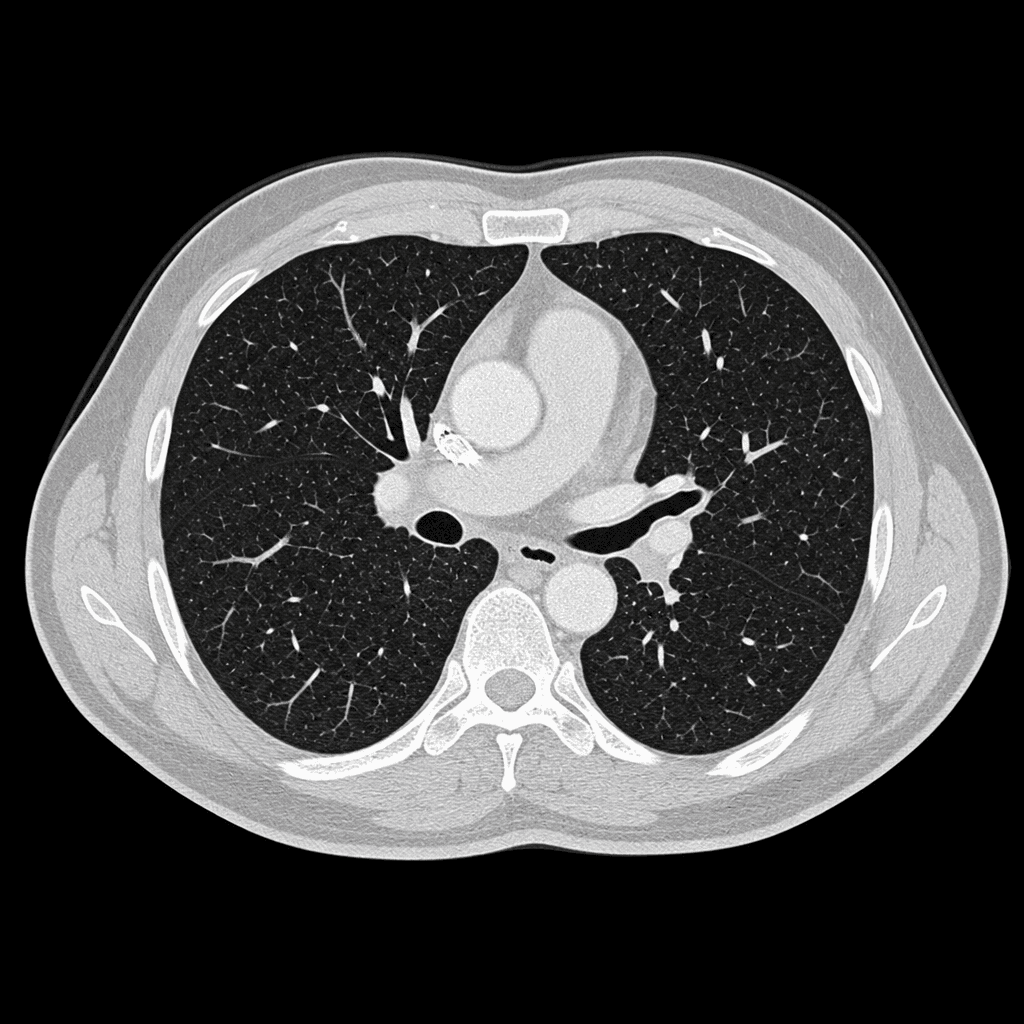
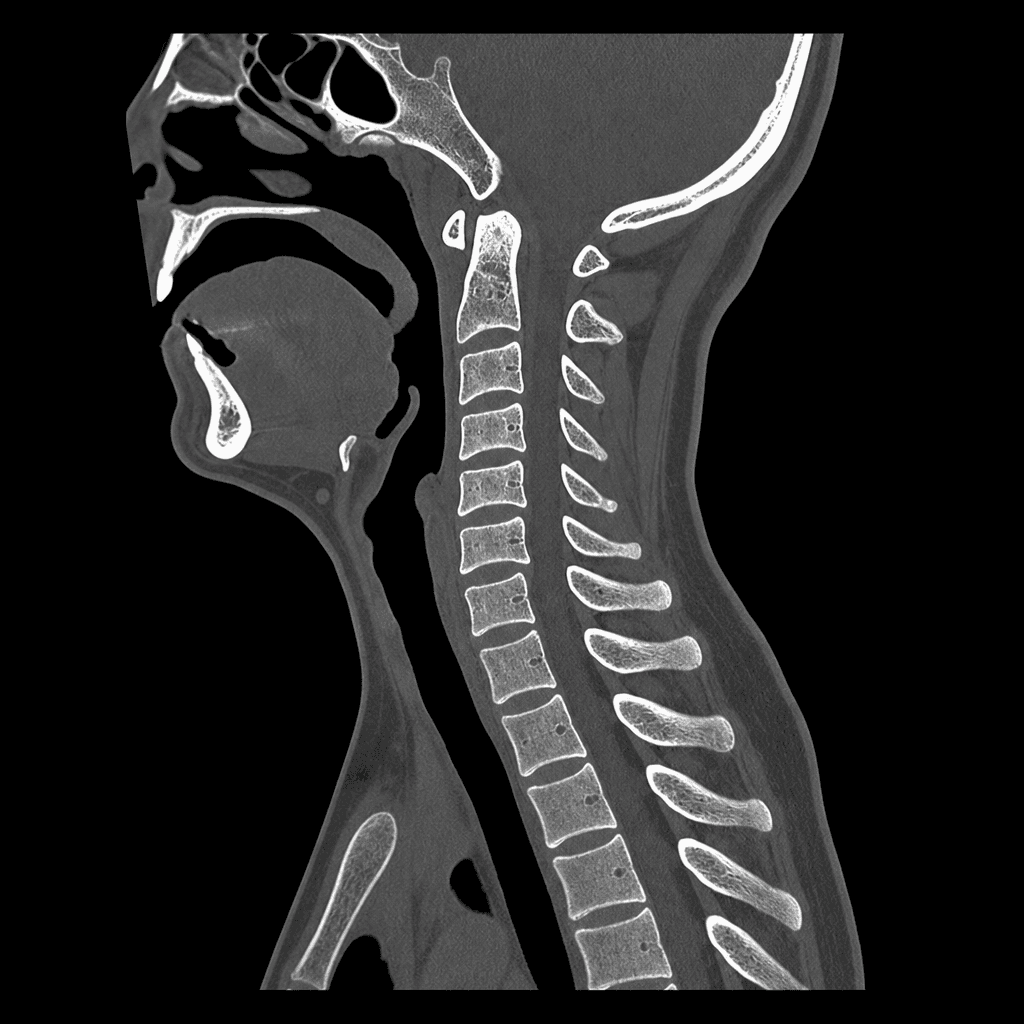
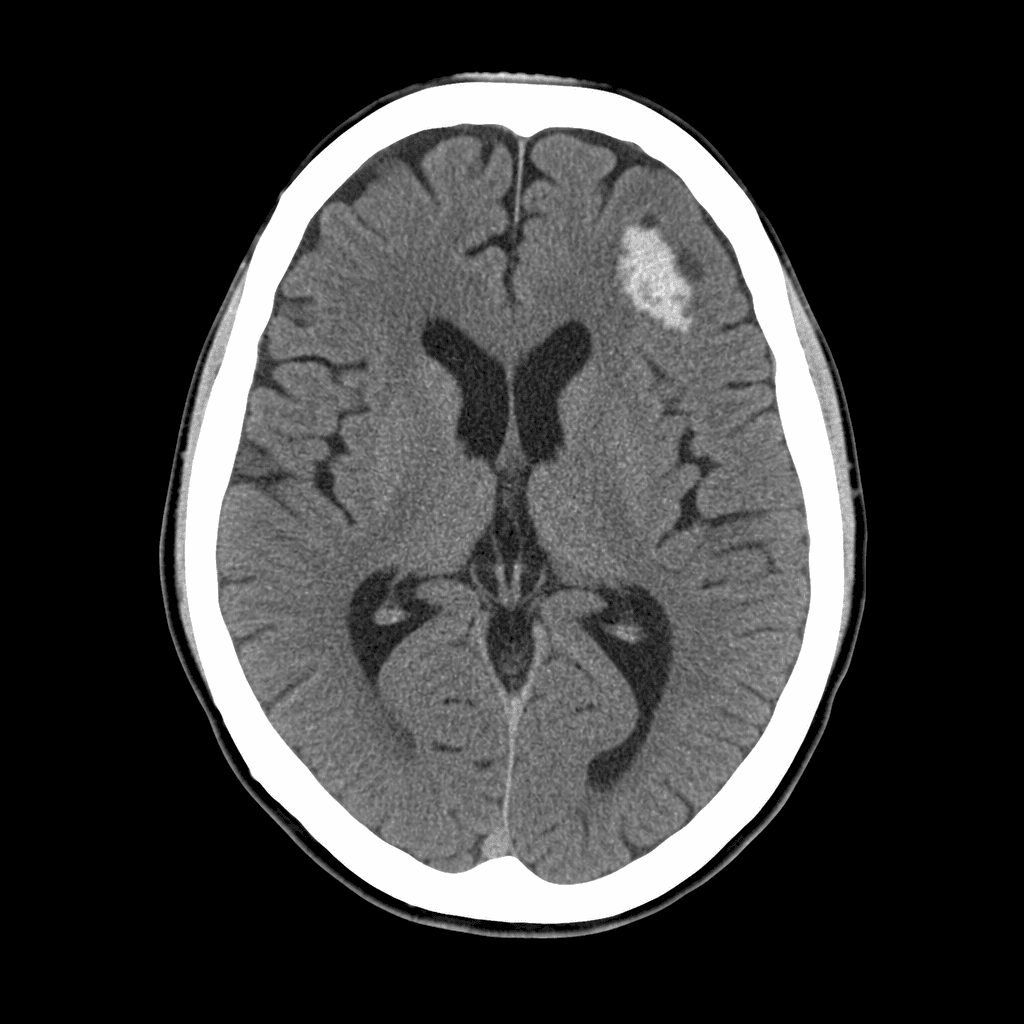
AI models surface time-sensitive findings — hemorrhages, mass effects, critical fractures — and escalate them to the top of the reading queue before a radiologist even opens the study.

Sub-second inference on CT Head, Chest, and C-Spine studies. Confidence-scored prioritization with configurable escalation thresholds and automated routing to on-call staff.

AI Triage Worklist2 critical
6 studies · sorted by score
6
Pending review
2
Escalated
1
Flagged
0.62
Avg score
Study IDPatientModalityAI ScorePriorityStatus
CT-0491M. TorresCT Head
0.96
StatEscalated
CT-0487L. ChenMRI Brain
0.91
StatEscalated
CT-0489R. KimCT Chest
0.83
UrgentFlagged
CT-0485S. ParkCT Pelvis
0.61
UrgentPending
CT-0483J. WilliamsUS Abdo
0.22
RoutineNormal
CT-0480A. NguyenCT Head
0.18
RoutineNormal
Escalation rule

Score > 0.80 → auto-escalate to Stat queue · Score 0.55–0.80 → Urgent flag for radiologist review

02

Specialty Ultrasound Intelligence

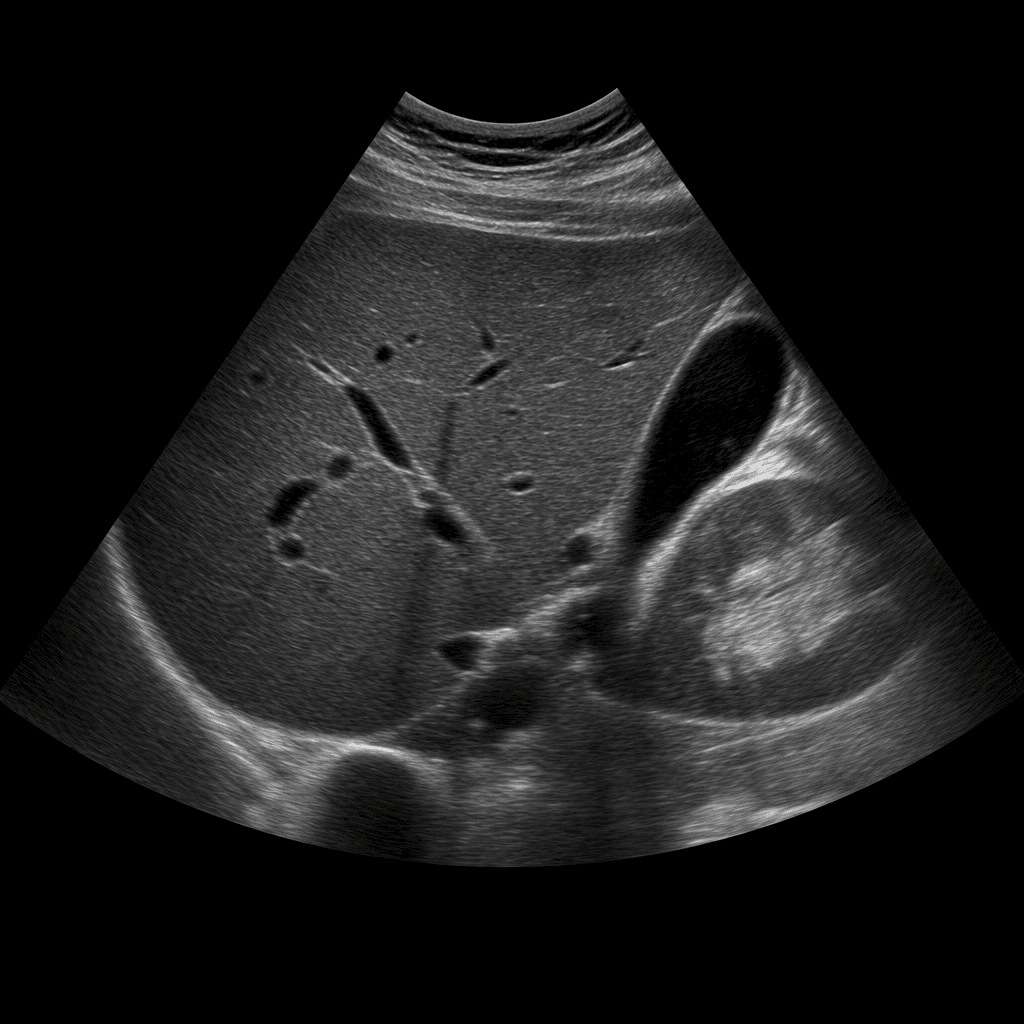
Longitudinal ultrasound analysis for specialty programs like hemophilia care — tracking effusion volumes, synovial thickness, and joint health across visits to catch progression early.

Multi-joint assessment with automated volume measurement, visit-over-visit delta tracking, confidence scoring, and clinician-facing trend dashboards built for point-of-care review.

EffusionAI AnalysisSession 47
Patient: H. Martin · Visit 6
5
Joints assessed
2
Elevated effusion
90.0%
Avg confidence
Hemophilia
Protocol
Joint Effusion Measurements
Right Knee
14.2 mL+2.1 mLFlag
Left Knee
8.6 mL+0.4 mL
Right Hip
5.1 mL–0.2 mL
Left Ankle
3.4 mL+1.8 mLFlag
Left Hip
4.9 mL–0.1 mL
Longitudinal trend

Right knee · last 6 visits · volume trend

03

Imaging QA Automation

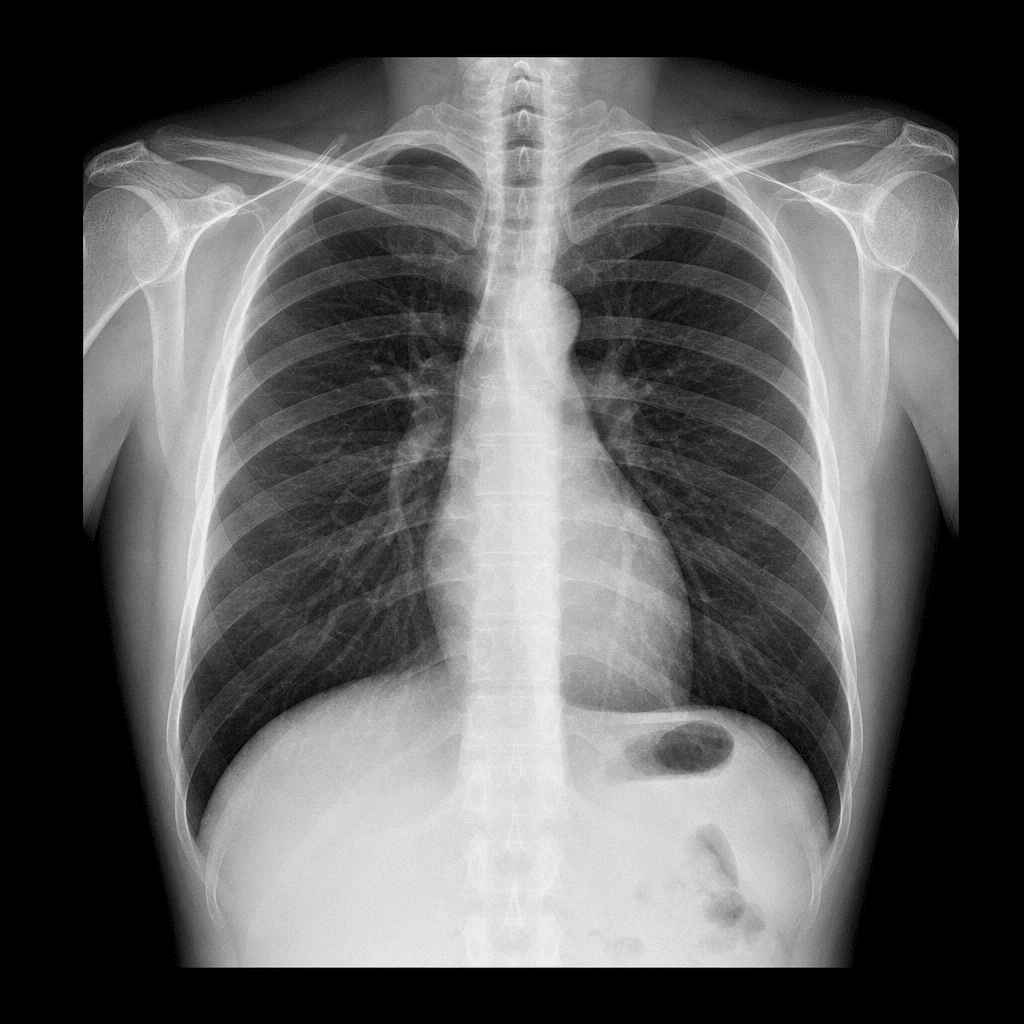
Automated quality checks catch motion artifacts, positioning errors, and exposure issues at the point of acquisition — reducing retakes and protecting downstream diagnostic accuracy.

Multi-criteria evaluation across motion blur, exposure consistency, anatomical positioning, and field-of-view compliance. Batch processing with pass/fail/warn classification per study.

QA Artifact CheckerBatch #88
7 studies processed
3/7
Passed
2
Failed
2
Warnings
43%
Pass rate
IDTypeMotionExposurePositionResult
XR-0201PA Chest
Pass
XR-0202AP Pelvis
Fail
XR-0203Lateral Spine
Warn
XR-0204PA Chest
Pass
XR-0205AP Shoulder
Fail
XR-0206Dental PA
Pass
XR-0207AP Ankle
Warn
04

AI-Integrated Review Portals

PACS-centered review portals that centralize AI outputs alongside clinical context — so radiologists read smarter, not harder, with AI findings embedded directly into their existing workflow.

DICOM/PACS/RIS integration, role-based access, AI finding overlays, structured reporting templates, and real-time sync with existing reading room infrastructure.

aiPACS Review PortalConnected
PACS · RIS sync active
5
Pending reads
2
AI flagged
38
Today reads
#PatientStudyAssignedAI Finding
1042R. Kim
CT · Head
Dr. Patel
Hemorrhage
1041L. Martinez
MRI · Spine
Dr. Nguyen
1040J. Park
CT · Chest
Dr. Patel
Effusion
1039A. Singh
US · Abdo
Dr. Wu
1038M. Torres
CT · Pelvis
Dr. Nguyen
Integration status
DICOM
PACS
RIS
SSO
Delivery Framework

How we deploy imaging AI

A proven four-phase process from clinical discovery to monitored production, designed to minimize disruption to reading workflows.

01

Workflow Discovery

Map reading-room operations, escalation rules, and modality-specific requirements with clinical stakeholders.

02

Validation & Model Readiness

Prepare datasets, validate model behavior, and align outputs to decision-support expectations before go-live.

03

Integration & Rollout

Connect to DICOM/PACS/RIS pathways and deploy through phased onboarding without disrupting reading habits.

04

Monitoring & Iteration

Track model and workflow performance, refine thresholds, and evolve deployment with operational feedback loops.

Outcomes

What imaging teams can expect

< 30s

Triage Speed

From study arrival to AI-scored prioritization

96.2%

Escalation Accuracy

Critical finding detection precision

94%

QA Catch Rate

Artifacts caught before radiologist review

4–6 wks

Integration Time

PACS/RIS connection to production

Ready to deploy imaging AI in your environment?

We can map a realistic deployment path around your current systems and constraints.

Get in touch